2026-11-09 · David Rivera
How To Spot Early Mold Growth After A Leak Near The Port
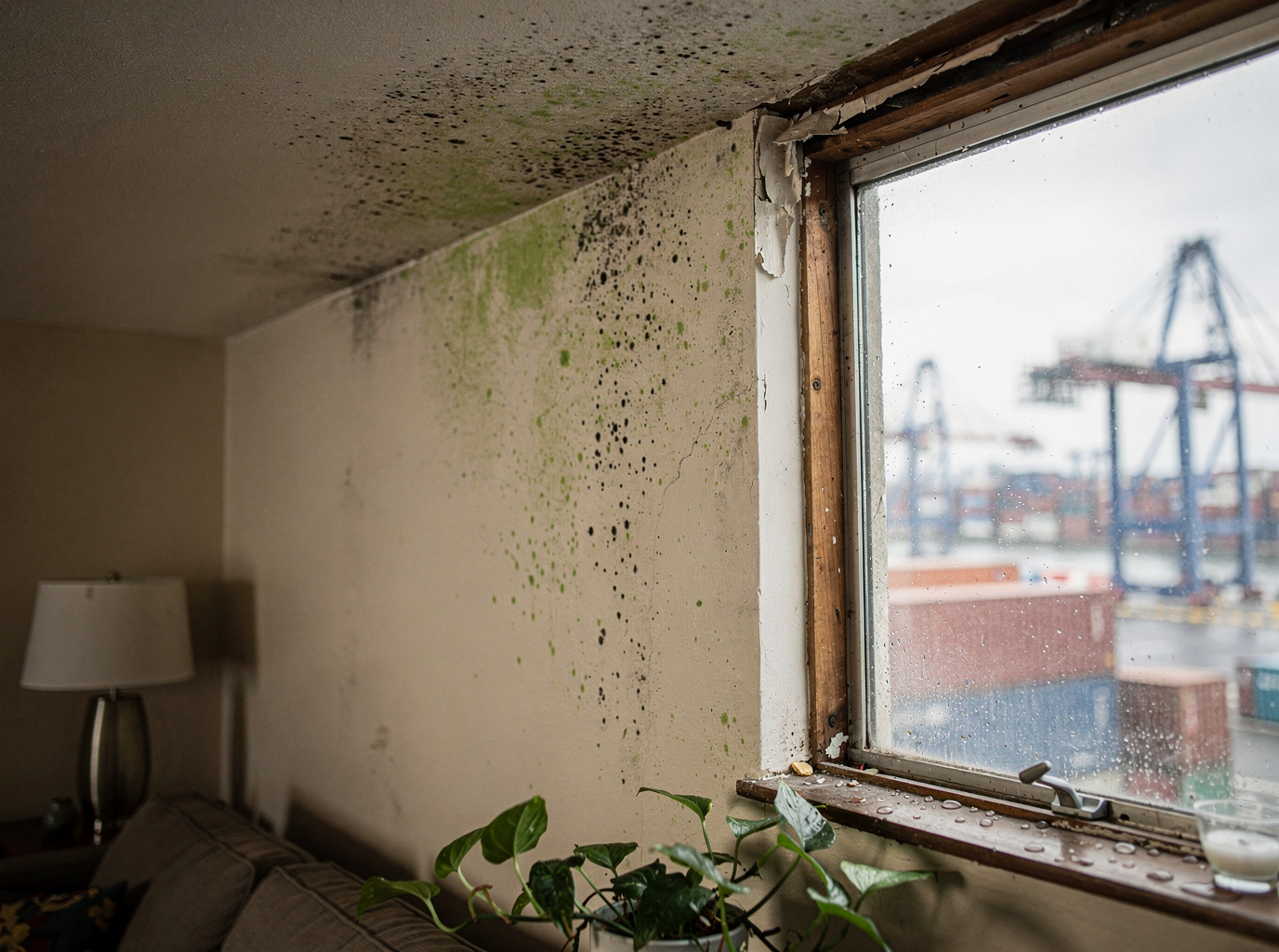
Mold growth after a leak near the Port of Long Beach typically becomes visible or detectable within 24-48 hours when moisture levels stay above 60 percent relative humidity. In neighborhoods like Belmont Shore and Naples, where many homes date to the 1940s-1960s with original plumbing, even small pipe drips behind walls create ideal conditions for spores to colonize drywall and wood framing quickly.
Checking for Musty Odors Near the Port
A persistent earthy or damp smell is often the first indicator of hidden mold after a leak. Walk through affected rooms and sniff near baseboards, under sinks, and around window frames facing the harbor, where salt air adds extra moisture. In Signal Hill homes built on slopes, water can pool in crawl spaces and produce odors that travel upward through vents. If the scent strengthens after running the HVAC or opening closets, suspect growth in insulation or subflooring. The mild Mediterranean climate keeps temperatures steady year-round, so these smells do not fade with cooler weather the way they might inland. Early detection here prevents larger colonies from forming in the dense building materials common to Long Beach's older stock.
Inspecting Surfaces and Materials for Discoloration
Look for yellow, brown, or black patches on drywall, ceiling tiles, or wood trim within days of a leak. Near the Port of Long Beach, industrial humidity from shipping operations can accelerate staining on north-facing walls in Downtown Long Beach and Naples properties. Press gently on suspect areas; soft or bubbling drywall signals water trapped behind the surface where mold feeds. Check carpet edges and vinyl flooring seams in kitchens and bathrooms, common leak points in 1950s-era homes throughout Carson and Lakewood borders. Use a flashlight at an angle to reveal fuzzy growth on grout or painted surfaces before it turns into widespread discoloration. These visual checks work best in the first 72 hours when colonies remain small and localized.
Monitoring Humidity and Hidden Moisture
Measure indoor humidity with a digital meter; readings above 55 percent after a leak indicate conditions ripe for mold in Long Beach's ocean-buffered air. Focus on basements, laundry rooms, and spaces under the Queen Mary-adjacent piers where constant marine moisture lingers. In Signal Hill and Belmont Shore, check behind refrigerators and washing machines where condensation combines with leak water. Lift rugs and inspect underlayment for dampness that does not dry within 48 hours. The region's lack of extreme temperature swings means moisture evaporates slowly, allowing hidden mold to establish in wall cavities before residents notice. Track readings daily for a week post-leak to confirm drying progress.
When Professional Water Damage Restoration Is Needed
If odors persist, discoloration spreads, or humidity stays elevated beyond three days, contact specialists for Water Damage Restoration and Water Damage Repair. Technicians use moisture meters and thermal imaging to locate growth in places residents cannot reach, such as behind stucco exteriors common near the Port. For cost details specific to Long Beach properties, review What Water Damage Restoration Typically Costs In Long Beach. Addressing issues promptly limits colony expansion in the area's older homes and prevents secondary damage to framing or electrical systems.